J.P. Morgan Healthcare Conference 2026: Finding a Winning Strategy

For Megha Sinha from Kamet Consulting Group, industry conversations around key topics are shifting, as companies seek to gain the greatest operational benefits from AI and find ways to improve supply chain resilience without causing chaos.
The topic of Artificial intelligence (AI) has been keenly discussed within the bio/pharma industry of late and is being highlighted as a key theme at this year’s J.P. Morgan Healthcare Conference. “What I’m watching for this year is really a shift from AI as a headline to AI as an operating system,” notes Megha Sinha, CEO of Kamet Consulting Group, when revealing what she anticipates will be high conviction topics at this year’s event.
“AI that will matter in 2026 are those that are embedded in your work and tied to measurable outcomes for companies,” Sinha continues. “Really, the highest conviction implementations are often the unglamorous ones that help company operations.”
Operational tasks that help to reduce regulatory or quality burden, clinical operation workflows that will help to reduce operational overheads, and tasks that can improve manufacturing productivity may all benefit from AI implementation, Sinha remarks. However, investors will demand proof before funding such implementation, she specifies.
While there was a lot of experimentation in 2025 with potential uses of AI, companies need to really look at the solutions that can be deployed at scale and work for them, Sinha explains. “At Kamet, we’re working on a capability that orchestrates work across the value stream — regulatory, quality, manufacturing, supply chain, and commercial, with governed rules and traceable decisions. So, AI is embedded in the work and moves the metrics,” she says. “In 2026, AI is only valuable when it’s accountable, it’s embedded in the work, and it’s repeatable.”
Moving onto the topic of supply chain security, Sinha highlights the fact that conversations around this subject have matured to now focus on looking at ways to add resilience without creating chaos. “If you think about every move/site transfers/dual sourcing, when companies are bringing manufacturing back to the U.S. it creates a ripple across the value stream, impacting registrations, labeling, quality controls, supply chain, and market cutovers,” she says.
“So, leaders are really rebalancing in a way that investors and regulators can both buy into. Investors want predictability — fewer disruptions, fewer write-offs, and a credible plan that won’t balloon the cost — and regulators want control,” Sinha adds.
“The winners will really be the company that can show that they can change the footprint and still keep product supply steady, and do so with a disciplined governance,” Sinha asserts.
Click the video above to view the full interview
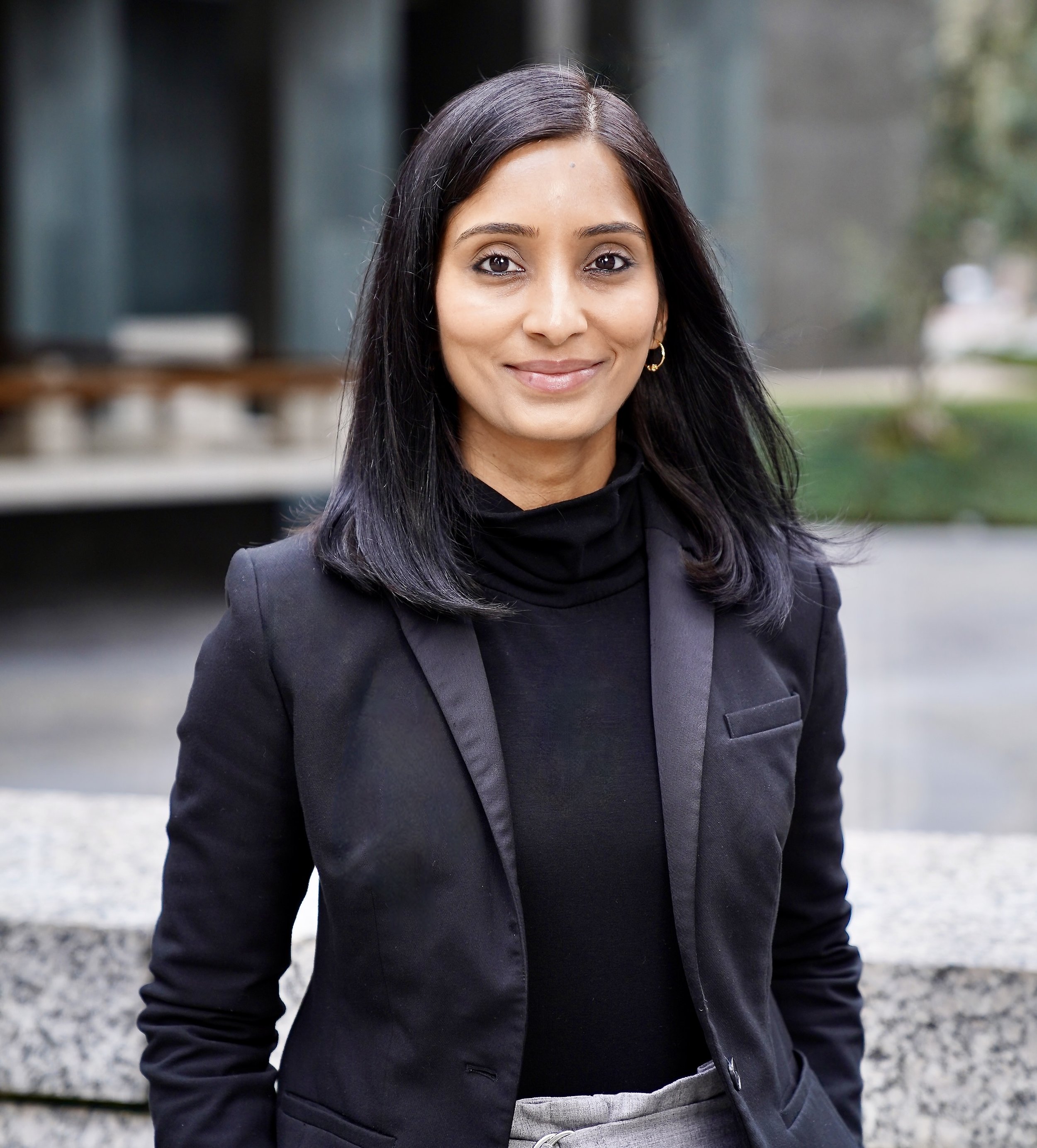
About the Speaker
Music from #Uppbeat (free for Creators!):
https://uppbeat.io/t/richard-smithson/air
License code: E9IPKDDRGKIULWEE
Image Credit: © tostphoto - stock.adobe.com